Showing posts with label mod. Show all posts

Wednesday, 17 May 2017


If you have an invitation to a summer wedding or you’re planning your own nuptials, shopping for your outfit starts here at Atom Retro's Wedding Shop.

Wedding fashion is no longer the exclusive realm of the bride, these days grooms-to-be are just as keen to look and feel good on their big day. Forget hiring an ill-fitting suit, we no longer expect to see the male wedding party in standard back tuxes. Modern grooms and their groomsmen can find outfits that express their individuality, complement the bride, and fit the theme or colour scheme of the wedding.

We have a great range of vintage, retro and Mod womenswear and menswear from brands such as Gibson London, Ben Sherman and Collectif.

Shop Weddings


Saturday, 29 April 2017

Part One: Let's Keep It Classic

What makes a mod suit mod?  One may argue that the mod suit is what defines the mod look, more so than parkas, gingham shirts and pique polos - after all, we're only wearing our parkas to keep the grease and oil from our scooters from staining our impeccable, smart and sharp mod suit.

The mod suit look emerged in the late 50s. The first mods - the modernists - defined as such for their love of modern jazz over traditional jazz (the mods vs. the trads) looked to their jazz heroes for style inspiration. Charlie Parker, Miles Davis, John Coltrane, et al, were often pictured wearing sharply tailored suits. Couple this with the influence of Italian fashion and the mod suit was born.

So lets examine our classic mod suit;  the basics and the necessities. The elements which define a mod suit.


  1. Slim fit & Waisted Cut: The mod suit is a slim fit. As slim as you can stand it. The look does not allow for boxy jackets or baggy trousers. Your suit must be cut slim with darts to accentuate the waist. 
  2. Single Breasted: The classic mod suit is a single breast. This means one row of buttons, not two (which is double breasted). 
  3. 3 Button Fasten: Tradition dictates the jacket is high fastening with a three button fasten. However, we will usually wear it with only the top two fastened. 
  4. Narrow, notch lapels: Slim lapels are a must, typically with a notch (over a peak). This is the triangular cut out shape to the top of the lapel. Exact width is a matter of taste, but around a two inch width will see you through nicely. 
  5. Short length: This blazer isn't called the bumfreezer for nothing. Mod suit jackets are slightly on the short side. Nothing worse than a suit jacket which is too long. 
  6. Short-ish sleeve: The sleeve should also be on the slightly short side, although not so it is overly noticeable. This is so we can show off our shirt sleeve cuffs and our fancy cufflinks. 
  7. Ticket pocket: Another defining aspect of the mod suit. The ticket pocket is the smaller, third pocket usually found above the main pocket on the right hip of the suit jacket. A British tailoring tradition, we could write a completely separate article on the history of the ticket pocket, but for our purposes here, it adds that dandy mod heritage look. 
  8. Mohair and/or Tonic fabric:  Not all mohair fabrics are tonics and not all tonic look fabrics are mohair, but if we can have both, then why not? Mohair is the classic fabric used in a mod suit. Mods loved the lustrous, smooth look mohair wool gives a suit, making it immediately the mark of class and style. Tonik - the original and proper fabric - was developed by French fabric manufacturer Dormeuil, but the tonic look here refers to a two-tone, iridescent fabric which copied that look. (The original fabric was quite expensive, but the look can be achieved with other tonic fabrics). 

  9. Side vents: On the back of our mod suit jacket we find two side vents. This has also been written into mod lore that our classic mod suit shall feature side vents (twin slits at either side of the back of the jacket) and never a centre vent (a single slit in the middle of the back of the jacket at the bottom). The length of the vent is a matter of personal taste. The Who song (or High Numbers, as they were then) Zoot Suit contains the lyric, "I wear zoot suit jacket with side vents five inches long," so a lot of mods opt for that length, but anything in that region is fine. The vents purpose is to aid movement while wearing the suit. For a frame of reference, the vents on the suit jacket in the illustration are 7.25". 
  10. Tapered, slim leg Trousers: On to the trousers and as you might expect, the mod suit trousers are slim leg and usually tapered, meaning the are narrower at the bottom than the top, as opposed to straight. 
  11. Short-ish leg length: As with our jacket sleeves, we wear the trousers very slightly on the short side (but no half-masts, please!) This is so we can show off our stylish loafers, brogues or chelsea boots and maybe the snazzy socks we're wearing with them. Mod is all about detail and we need to show off that detail. 
  12. Narrow Ankle: The tapered mod suit trouser leg results in the narrow ankle. A traditional suit would have maybe 16" - 18" bottoms or wider, but the mod suit will have a narrow bottom. Again, it's personal preference as to how wide. 14" is a good ball park figure. 
  13. Pockets: Trouser pockets are a must, but how many and how they look is again down to taste. The mod suit pictured here has two front slanted side pockets which keep the shape and silhouette of the trouser nicely. Not pictured is also a single straight pocket with a button fasten on the back, but more about pockets in part two. 
  14. Narrow waistband: Also details down to preference and style, but the classic mod suit will feature a narrow waistband, equipped to hold a narrow width suit belt (but probably unsuitable for wider jeans belts). You shouldn't really have to wear a belt with your mod suit, but sometimes it's nice. 


This, I should stress, is only the basics of a mod suit - a starting point. Here are the rules of mod suit style, and now we have learned the rules, we can break them! Look out for part two coming soon...

The suit featured in this article is the Madcap England Mod Suit in Burgundy Mohair tonic. Find it here.

Thursday, 12 January 2017


Madcap England's latest design the retro Jackie and Robin PVC raincoats have arrived. These unique garments are inspired by the iconic Mary Quant Rainsmock design of the 1960's.


In 1963 the British designer Mary Quant wowed the fashion world when she previewed her Wet Collection in Paris. The collection of experimental designs using PVC, that had been two years in production, made history. Part of the collection was the original PVC Rainsmock which featured her new Christopher Robin collar design.


The appearance of the exciting new style could not have occurred at a better time. The use of bold block colours meant the garment fitted perfectly with the already established Pop-Art movement. Celebrities such as Cynthia Lennon, Jean Shrimpton and Twiggy were pictured wearing the Rainsmock cementing it's style into the public's consciousness, while Jackie Bowyer wore the item in her most famous photoshoot of the decade. The Rainsmock quickly became a much loved and iconic part of the Swinging Sixties.


Madcap England are giving you the opportunity to have your own piece of this incredible fashion and cultural heritage with the Jackie and Robin raincoats. The PVC garments stay true to the original by using bold block colours, a Christopher Robins collar and colour contrast button design.

Find the collection here.

Monday, 3 October 2016


Marmalade Dresses new collection for Winter 2016 is due to arrive in a few weeks, so we thought you might enjoy a little preview of what's in store.

As always, Marmalade create premium quality dresses and coats in 60s Mod inspired designs. Op-Art, pop art, mod and 60s geometric design is the order of the day for this seasons collection, plus a couple of retro print fabric highlights.

Check below for pics to drool over or shop for Marmalade here.


Monday, 8 August 2016

Lulu Dress


Mademoiselle Yéyé's collection for Autumn and Winter 2016 has just arrived at Atom Retro (with a little more to come later) and it doesn't disappoint!

As fans of Mademoiselle Yéyé have come to expect, this seasons collection comprises unique, high quality dresses, tops, knits and more, all with 60s Mod style and vintage va-va-voom!

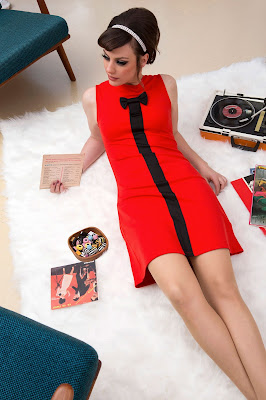
The Lulu Dress (pictured left) is a new style to the collection this season. This supremely sixties inspired mod mini dress comes in red with fixed black bow detail to centre front. In a super stretchy, comfy to wear fabric, this is a must-have dress.

Check below for more of what's in store from Mademoiselle Yeye, or shop now!


Wednesday, 3 August 2016


A sneak look at Gabicci Vintage's Autumn and Winter collection, arriving soon at Atom Retro. 

This very Mod inspired collection is perhaps one of the best Gabicci have designed! Combining their Mod heritage roots with clean cuts, sharp 70s styling and Retro fabrics for a comprehensive collection which will be hard to beat this season. All of the Gabicci Vintage classics are here; styles which they have become known for, plus Mod staples in parkas, windbreakers, shirts and knits. 

The Gabicci Polo plays an important role, of course. From the 70s heritage piped and cut and sew polos through to Gabicci's signature zip fasten suedette polos and cardigans. 

Also a highlight this season is Gabicci's tailoring. Retro and Mod suits, blazers and trousers will have you looking sharp all Winter long. 

Check under the cut for a preview of what's arriving soon from Gabicci Vintage. 

Friday, 15 July 2016


Good afternoon, Sir... perhaps a little Something For The Weekend?

The Keepers describe themselves as Indie Mod N Roll, with Psychedelic Britpop. They were founded in 2015, by singer/songwriter and guitarist Jordan Jones, and accompanied by Tonner Pettitt on bass guitar, Liam Taylor also on guitar and Taylor Hart on drums. The Keepers are a fusion of 60's Pop Melodies and Psychedelia, 70's Punk energy, 80's Madchester madness, 90's Britpop and 00's Indie Rock. They list their main influences as The Beatles, David Bowie, The Kinks, The Jam and Supergrass.

The Keepers in action! (Photo by Dammo Photography)
The Keepers released their debut EP, No Exit in October 2015 on CD and iTunes, and have since been gigging and touring across the UK, bringing their share of retro goodness to audiences everywhere. 

They have played sold out shows at venues such as The Picturedrome and The Craufurd Arms, supporting the likes of Noasis, The Total Stone Roses, Inspiral Carpets' frontman Tom Hingley and The Kar-pets, The Jam DRC and VANT.

The band have recently been sponsored and endorsed by Hofner and plan to head back into the studio to record new material in the near future. Show original message Make sure you catch a show soon! (Deets below!)

Would you like your band featured here? Email details to lindsey@atomretro.com and you could be the next Something For The Weekend! (All types of music, bands and artists welcome! All genres, signed, unsigned, young and old!)


Upcoming Gigs for The Keepers:

15th July - The Picturedrome supporting The Jam DRC (Northampton)
16th July - Enderby Music Festival (Leicester)
22nd July - Tramlines Festival (Sheffield)
30th July - The 12 Bar (Colne)
6th August - The Islington (London)
13th August - The Apple and Parrot – Torquay

Find the Keepers online:


Facebook - https://www.facebook.com/thekeepersuk/


Wednesday, 29 June 2016

Part three of our Mod hairstyles guide and we're into the 1970s and beyond. Along with your Mod wardrobe, your choice of hairstyle is part of your style, your image and who you are. The Seventies and into the eighties saw a backlash against the long, non-conformist hairstyles of the sixties and styles when to the other extreme, short, shorter and almost nothing at all.


Paul Weller in his Jam and Square Cut days
1970s - 80s: The Weller Square Cut

Similar to: The Cesar Cut, The French Crop, The Other Steve Marriott Cut

A 70s version of the Cesar Cut or the French Crop, this square cut is as the name suggests, blunt, blockish and full of attitude. Harsher than most French Crop cuts, the style has a very short, mid forehead blunt fringe and squared, helmut style to sides and back. The hair is cut as short as you might expect as short back and sides, but with the added optional longer lengths at the sides and front. The hair is generally cut around the shape of the ear. This style can also be adapted as an Ivy League, Flat Top or crew cut style.


Chas Smash from Madness with a slightly longer than
some skinhead cuts.
1970s - 80s: The Skinhead

Similar to: The Buzz Cut, The Flat Top, Suede head

A haircut so extreme that it gave it's name to a mod subculture! The Skinhead is, as you might guess, a cut so short they may have very little or no hair at all (to the desire of the wearer) - hence skinhead.

Skinhead culture started in the late sixties and peaked in the seventies and eighties. As a reaction and rejection to the conservative fifties and peace and love ethos of the sixties, Skinheads went for a much more severe and dramatic look, incorporating mod fashion and Jamaican Rudy Boy culture. Most first wave skinheads wore their hair at a three or two grade length - short, but not bald. Towards the end of the seventies, most skinheads had a grade two or shorter, with an optional side parting shaved in. Into the eighties, most skinheads cut their hair with no guard or shaved it completely with a razor.


Suggs from Madness with a variation of the
Flat Top hairstyle
1970s - 80s: The Flat Top

Similar to: The Flat Top, The Ivy League, The Rude Boy

The Flat Top is a short haircut where the hair on the top of the head is usually standing upright and cut to form a flat-appearing deck. This deck may be level, or it may be upward or downward sloping. With it's roots in military fashion, it might be surprising to learn that the Flat Top has been around since at least the early 20th century. A very popular look in the 1950s, it faded out of popularity in the 60s and 70s, but had a mod fashion resurgence in the 1980s and early 90s (possibly as a less severe alternative to the Skinhead look).

The haircut is usually created with electric clippers utilising the clipper over comb technique, though it can also be cut shears over comb or freehand with a clipper. The exact length is dependent on skull shape and the style of flat top.


Further Reading: 

Tuesday, 21 June 2016


"...They brought light, minimalist design that easily turned any outfit into a designer brand."
- The Caravan, Ray-Ban Icons

Ray-Ban Caravan Sunglasses arrived on the scene in 1957, twenty years after Ray-Ban designed and patented the world's first Aviator Sunglasses. A new take on the Aviator, the Caravan featured a square lens to replace the iconic large teardrop shaped lens of the classic Aviator, a brow bar and a streamlined, geometric design. 

The Aviator had originally been designed with pilots in mind (giving rise to the name) who required a pair of large lens sunglasses to block out glare from the sun while flying. The style to launch Ray-Ban, (the name itself literally derived from the "banning of the sun's rays") the Aviator with it's oversized, protective lens and lightweight metal frame had gained popularity in mainstream fashion following the second world war. US army General Douglas McArthur had been photographed wearing Ray-Ban Aviator Sunglasses as he strode ashore in the Philippines in 1944 and the military inspired look had taken off. 

Robert DeNiro wearing Ray-Ban Caravan Sunglasses in
Taxi Driver, 1976
By the end of the fifties, Ray-Ban were ready to develop a new Aviator design. There was a demand for a smaller version of the classic Aviator, and the fashion was moving towards geometric influences. Also, as the Wayfarer had proven popular in the 1950s, Ray-Ban was also looking for a way to rejuvenate the Aviator design, and so the Caravan was born. 

Available in all the classic Ray-Ban colour ways - the G-15 or B-15 lens with the gold, silver or gunmetal frame, the Caravan's sharp, minimalist design also offered the gradient and mirror lens. The smaller lens still offered a good amount of protection for the wearer from glare and a certain amount of anonymity desired by politicians and celebrities. 

Barry Gibb in Caravan Sunglasses
During the Aviator revival of the 1970s, the Caravan style also gained ground as an alternative Aviator option. It was prominently featured in Martin Scorsese's 1976 film, Taxi Driver, being worn by Robert DeNiro as he played Travis Bickle.  

The Aviator style was adopted as the sunglasses of choice for the disco scene in the seventies as well, so too the Caravan provided an alternative look. Here is Barry Gibb wearing a pair of Caravan sunglasses in the seventies. 

Skier Jean-Claude Killy looking cool in Caravans in the 70s


Following the demise of disco in the 1980s, the Aviator's popularity waned, and this had a knock on effect for it's younger Caravan brother. To combat this, Ray-Ban secured a very lucrative deal in 1982 for product placement in movies and TV shows for the following five years. With Tom Cruise and other movie stars wearing Aviator style sunglasses in many high profile films, the Aviator was soon back in fashion. 

Jon Hamm as Don Draper in Mad Men.


In recent years, the Ray-Ban Caravan has proven a popular style among mods who are attracted by the Caravan's streamlined, classic and clean shape and style. The Caravan was also chosen as the style for Jon Hamm to wear as Don Draper in Mad Men, invoking a late fifties and early sixties classic American Retro look. 


Thursday, 16 June 2016

Part two of our Mod hairstyles guide explores the 1960s - the birth of the Mod look. Along with Mod clothing, Mod hairstyles are part of intrinsically part of mod style and image. How you chose to wear your hair contributes to your over all identity, and none more so than within a culture like Mod or any of it's subcultures Mod Revivalists, Scooterboys, Skins and more. The Sixties saw a lot of social and political change and this was reflected in fashion and style. The new generation wanted to break away and create its own identity. Mod was born!


Steve Marriott with his classic layered look
1960s: The Steve Marriott Layered Cut

Similar to: The Mop Top

Maybe the first proper mod hairstyle, the Steve Marriott take on the classic mens layered cut landed somewhere in between a long haired lover from Liverpool Mop Top and the shorter, neat Ivy League look of the past. The hair is cut in layers, resulting in a choppy, different length look which is typically longer at the front, sides and fringe and cut shorter at the back. At the side, the hair might be cut around the ear, or worn slightly over it. There is a soft centre parting which reaches the front where the fringe is worn swept to the sides.

Although not as famous as other 1960s hair cuts, this mod hairstyle is as iconic and popular among mods today as it ever was.


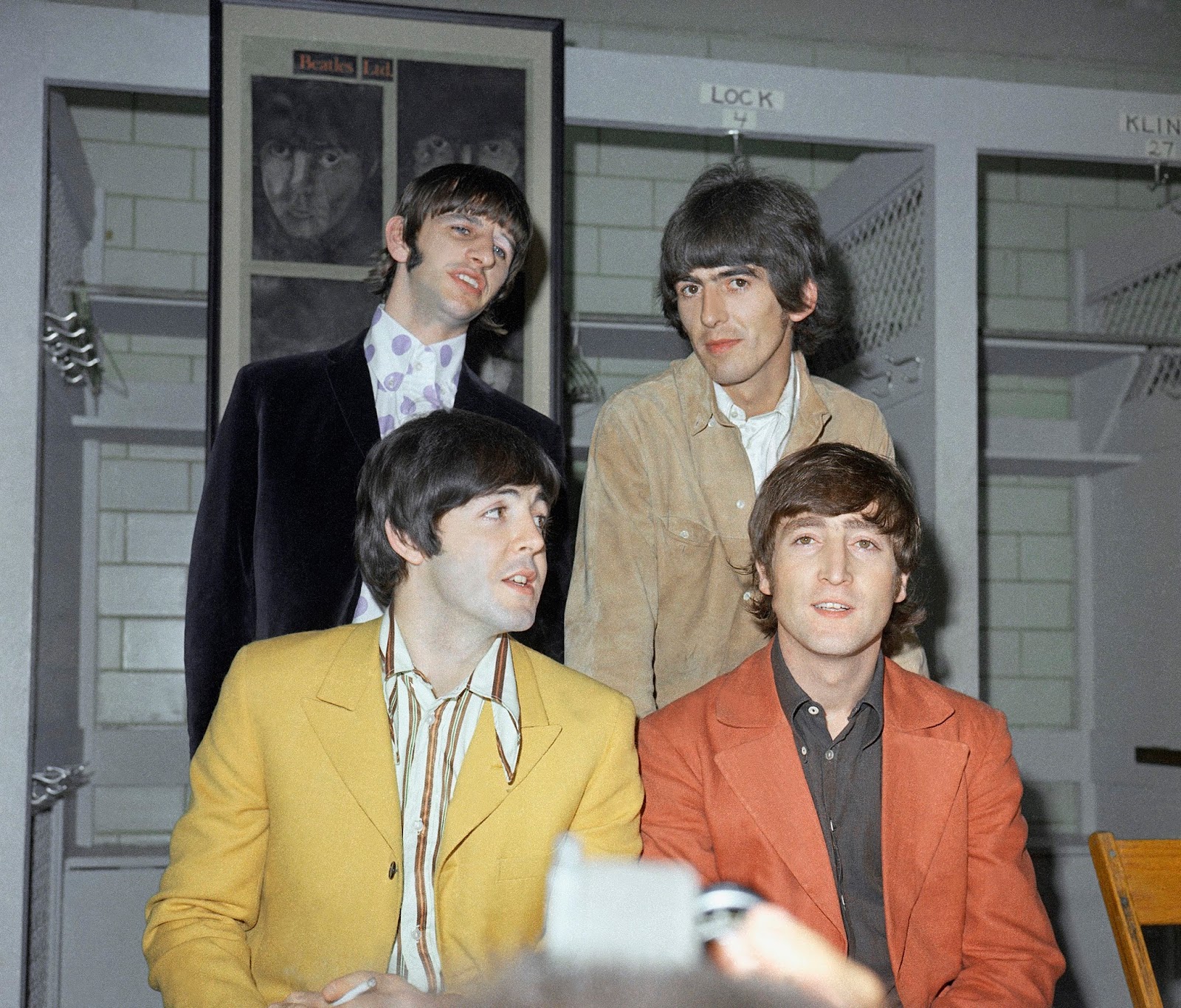
The Beatles with their classic Mop Top look

1960s: The Mop Top

Similar to: The Pageboy

The Mop Top, or Beatle Cut, (or 'Arthur', according to George Harrison!) is probably the most famous haircut of the 1960s. Named because of it's resemblance to a literal mop, the haircut originated from the Beatles Hamburg days. Astrid Kirchherr, a photographer and the girlfriend of original Beatles bassist, Stuart Sutcliffe is credited with the style which was worn first by her, her friends and Stuart. Later all the other Beatles (except for a reluctant Pete Best!) adopted the look giving the band it's first cohesive and truly unique look. The hair is cut long, down to the collar and covering the ears with a long fringe at the front and no parting. Although ridiculed by adults at the time, the mop tops was vastly popular in the sixties. In the Britpop nineties there was a revival to this intrinsically sixties mod hairstyle.

Steve Marriott with a shorter, jagged cut 


1960s: The Other Steve Marriott Cut

Similar to: The French Crop

Like a sixties update to a classic French Crop haircut, this is the shortest style in our sixties mod selection. Still cut with choppy layers and in different lengths, this is a much shorter, low maintenance version of the Steve Marriott layered cut. It can be cut around the ears, or overlapping them as the wearer desired and features a blunt, choppy, short fringe at the front with a little bit of feathering.

Neat, sharp and with lots of attitude, this is a mod haircut which harks back the short back and sides of yesteryear, with a modern update. 


The Yardbirds Keith Relf with a long Pageboy cut
1960s: The Pageboy 

Similar to: The Mop Top, The Bowl Cut

A unisex haircut which suits both men and women mods. The cut first became popular in the 1920s with young boys after it was worn by child star, Jackie Coogan (who grew up to be Uncle Fester in the original Addams Family TV series!) It was named after what was perceived to be a 'pudding basin' haircut wore by medieval pageboys. The cut is worn straight and long, past the ears, where it then curls inwards and usually with a long fringe at the front.

Popular in both the fifties and sixties, it's perhaps the 1960s when it was the most prominent as an alternative to the mop top and a style which still fit with the non-conformist, long haired looks of the decade.


Further Reading: 

Monday, 13 June 2016

Along with Mod clothing, Mod hairstyles have a rich and interesting history and heritage. Often how you wear your hair contributes to your over all identity, and none more so than within a culture like Mod and it's subcultures - Mod Revivalists, Teddy Boys, Rockabilly, Scooterboys, Skins and more. In our new blog mini-series we explore the history of mod hairstyles past and present, kicking off with the roots of the Mod look and mod fashion in 1950s America. Would you wear your hair like this?

A rare picture of Elvis with the Ivy League
hairstyle in the 1950s

1950s: The Ivy League

Similar to: The Crew Cut, Butch Cut, The Short Back and Sides

A classic go-to hairstyle for men everywhere. The Ivy League coins it's name from the popularity the look enjoyed with college students in the US in the 1950s, giving rise to it also being called The Princeton, although there is some argument over whether this style really originated from Harvard University. A popular haircut which is never out of style, the Ivy League appeals to mods for it's neat, sharp cut and it's versatility for a short hair cut; this cut doesn't look out of place with any outfit.

Like the Crew Cut, the Ivy League is close and high on the sides and back. The hair is shorter at the crown and gradually gets longer towards the front. The hair is generally styles with wax, known as 'Butch wax'.


A Teddy Boy John Lennon sports a Duck's Arse
hair cut in Hamburg, 1960.
(Photo by Astrid Kirchherr)
1950s: The Duck's Arse

Similar to: The Detroit, The Long Pompadour

Also known as the Duck's Tail or simply, the DA, the subtly named Duck's Arse was the go-to hair style for 1950s British Teddy Boys. Using just about an entire can of pomade, the hair is slicked back around the sides of the head, (to resemble a ducks wings) and then the teeth edge of a comb used to define a central parting at the back, running from the crown of the head to the nape of the neck, resembling it's namesake! The hair on the top of the head was left messy and disarrayed or combed up and curled down.

A barber from Philadelphia, USA called Joe Cirello claims to have invented the Duck's Arse hairstyle in 1940. His clients included Elvis Presley and James Dean. Incredibly popular in the fifties for Teddy Boys, and giving the 'Greasers' their name, the hairstyle became associated with rebels and non-conformists, especially when it was sported by Dean in Rebel Without A Cause, and of course, Elvis Presley.

Johnny Cash wore a Pompadour in the mid 1950s


1950s: The Pompadour 

Similar to: The Quiff, The Duck's Arse, The Elephants Trunk

Elvis is all over 1950s Mod hairstyles! The Pompadour - also the Quiff - is of course the style Elvis was best known for and the hairstyle of choice even today for a lot of Rockabilly Mods and Teds. The pompadour also had something of a revival in the mainstream in recent years, being worn by people like Alex Turner and friends. The pompadour hairstyle - and with the onset of the 1960s, the Long Pompadour, sports slicked back hair, similar to the Duck's Arse, but with volume on top and at the front so that it looks like a wedge from the side - or go the full quiff. Again, lots and lots of pomade is required to craft the Pompadour! This is an extrovert hairstyle with its roots firmly in that early 1950s rock and roll look that the early mods craved. We think it's this hairstyle which lead on to the longer mod hairstyles of the 1960s.

Further Reading: 

Wednesday, 8 June 2016

John Stephen, The King of Carnaby Street (b. 28/08/1932 d. 01/02/2004)
(This article was originally published on Atom Retro's Mod Clothing Chronicles)

This is the in place to be!

A figurehead of British fashion, a lost icon rediscovered and perhaps previously overshadowed by his contemporaries. The name John Stephen, the legacy Carnaby Street.

John Stephen's success in the Menswear arena more than matched the impact of Quant and Hulanicki on Women's fast fashion in the Swinging Sixties. Whilst not always being recognised in such high esteem as some of his peers, John Stephen is gradually coming to prominence, now regarded as one of the Uk's most innovative and inspirational fashion entrepreneurs.

John Stephen's flagship store, His Clothes on Carnaby Street
Moving from his native Glasgow to London at the age of 18 in 1952, Stephen found work within the Military Department at Moss Bros in Covent Garden. Here he honed his talent as a tailor, studying and practicing in traditional tailoring. Soon, Stephen moved on to find work at avant-garde and pioneering menswear shop Vince Man shop situated in Newburgh Street, London. Here, John Stephen saw first hand the huge potential and indeed the longing of the gentleman customer for a neoteric Fashion Menswear Boutique. One that expressed freedom through fashion, a modern outlook and that was in tune with the youth of the today and their social scene. As John Stephen was already part of this scene he already had a key understanding of customers wants and desires. Using Vince as a stepping stone to further his fledgling fashion career, Stephen worked double shifts as a waiter and at Vince to save up enough money.


Wednesday, 1 June 2016

(This article was original published on Atom Retro's Mod Clothing Chronicles).

Our new Sixties Boutiques blog series will take a look into the roles of key players within the Sixties fashion industry, celebrating their inspiring stories and innovative ideas. Kicking off with the tale of Barbara Hulanicki's and Stephen Fitz-Simons famous BIBA store.

From Art College to freelance fashion illustrator to mail order innovator to boutique proprietor. A whirlwind exploration of Barbara Hulinicki's BIBA.

There's always been a certain propensity for the avid fashion connoisseur to acquire designs that their beloved icons so gracefully adorn. Biba's Postal Boutique was the first instance of Barbara Hulanicki pursuing avenues that explored the desirability of the 'As worn by' celebrity culture. The ability to affordably design and dress fashion fans in styles akin to icons such as Bardot was to prove a lucrative career choice. BIBA's Postal Boutique unleashed a suitably chic Retro gingham dress to the Sixties scenesters via an advert in the Daily Mail (May 1964). In less than one day the response was emphatic, with four thousand orders taken and the total eventually reaching a staggering seventeen thousand. Fast forward less than 4 months and BIBA's first store was all set to open. A haven for Mod Girls with boundless Retro wares, Mod Clothing and raving sounds!

Biba's original Pink Gingham Dress
Barbara Hulanicki was always keen on developing Mod silhouettes into a more three dimensional style. She pictured her happy clients looking just like the designs she had originally drawn...Extravagant, decadent and the place to be, The first BIBA store opened in Kensington in September, 1964. A walk in cat-walk with Retro, Art Deco influences and lavish scenes, BIBA set out to be style, substance and a hip hangout. A beacon of celebrity couture and Mod chic styles, BIBA's reputation rapidly grew. A rock and roll and celebrity haunt, the BIBA interior was a stage, complete with it's own wardrobe designer, a plethora of willing performers and artistes as well as a confident crowd of affluent, young clientele. Delightful Mod clothing in clever and innovative colour palettes set against a backdrop of Victorian furniture and Retro antiques caused a stir amongst the customer base of mainly women under the age of 25.

Clever marketing campaigns saw clothes draped on hat stands or period furniture and accessories neatly displayed in bowls. The frenzy for the latest BIBA designs was immense and the shop would be over-run by eager customers. BIBA witnessed unequivocal growth from an entirely unwitting viral marketing campaign that saw brand recognition surge through unbridled word of mouth, after all even the staff formed part of BIBA's loyal customer base. A certain air of sophistication and authority could be assumed by working in a place of such social stature. The instant understanding of what customers wanted, their desire to dress like icons and idols of stage, screen and music made BIBA a hot spot for young society girls, but moreover the affordable prices made their dreams come true and thankfully not at the expense of their bank balance.

For just 10% of the average weekly wage, BIBA could kit girls out like the stars. Even the stars themselves got in on the action, gratefully snapping up the latest new and trendy threads from the boutique BIBA. The relatively new concept of fast fashion it could be argued was born in the Sixties. What the Mod Girls, Cathy McGowan et al dressed in on Friday's Ready Steady Go would be on the shelves of BIBA boutique in the form of an affordable replica first thing Monday morning.


Tuesday, 10 May 2016

Terry Rawlings at Decca Records, 1980

Through his vast knowledge of music from both working within the industry and as a fan, author Terry Rawlings has created works worthy of any music connoisseurs collection. His impeccably researched Mod: A Very British Phenomenon and Brian Jones: Who Killed Christopher Robin? are staple books in many a household and he has earned a reputation as an authoritative figure within the mod scene. Gibson London’s Simon Parr invited Terry to his London Showroom and this is what he had to say:


Simon Parr: How did you first become a writer? 

Terry Rawlings: I was expelled from school in the 5th year for doing graffiti on the walls outside the school gates. The school was at Dockhead, and we were right on the docks. I got the white liner that was used to mark out the pitches and I wrote all along the back where the docks were, ‘Mr Shields is a c***’. My friend was up a wall, painting over a lot of graffiti and I thought I can’t let him take the blame for it so I stupidly owned up. After I was expelled, I didn’t really have a career or anything in mind until I got a job in the post room at Decca Records, which [DJ and presenter] Gary Crowley got me. I just sort of replaced him. He left on the Friday and I started on the Monday. It was sort of like-for-like because we both dressed the same and the studio manager just thought it was one parka for another. From Decca Records I went onto Sire Records, where we were doing this Small Faces fanzine. Paul Weller liked the fanzine and it was Paul who opened the door for me to start writing. Paul Weller, after getting our fanzine, started one of his own up called Decembers Child and I did some bits and pieces for that, and it was him who suggested I should write a book.

SP: And that was All Our Yesterdays? The Small Faces Book? 

TR: Yes. I was working for Sire Records (Home of The Ramones and The Pretenders) and me and a friend of mine, Tony Lordon - he was the bass player in Department S (of Is Vic There? fame) - we used to do a fanzine called Sha La La La Lee (not very imaginative, I know!) about The Small Faces. Back then, we’re talking about 1980, The Small Faces had been totally forgotten, nobody knew about them; the profile they’ve got now wouldn’t have been dreamed of back then. The only album you could get was on Charly Records, anything else you couldn’t get hold of. Paul Weller had got into The Small Faces. He was a big fan of The Kinks and The Who, and he got into The Small Faces too.

We used to do the fanzine on the photocopier in the Sire Records office and Paul would come and get it. We’d done about three issues and then he suggested the idea to do a bigger version of it, like a pamphlet or a mini- book thing, which we called All Our Yesterdays. I’d found all these photographs that hadn’t been seen back then. Nobody cared about them. They had reformed once and no one cared. The band had 3 of the Small Faces in it and they’d been playing pubs.

SP: That was minus Ronnie Lane wasn’t it? 

TR: Yeah, he came back for about a day and then they had a bit of a punch up and he left again, so Rick Wills from Foreigner, who’s in Kenny Jones’ band now, joined instead. But they couldn’t get arrested, you know? They didn’t look like The Small Faces, to be honest, they looked like Smokie, you know, all weird.

So, Paul came up with the idea of doing a better version of the fanzine and that was my first attempt at writing something. We did this little pamphlet thing that he got printed up, and they sold them on The Jam’s merchandising stall at the gigs. We re-printed it a few times. It started to turn people onto The Small Faces. It reminded people [of them]. I never big myself up about it but it was the only thing you could get then on The Small Faces and it caught people’s imaginations. People only knew about The Who and The Kinks, in that ’79 Mod Revival, and they didn’t know about The Small Faces. It started a little Small Faces revival, I’m pretty sure, and look at where it is now. I don’t even have a copy of the book anymore, which is quite sad. It wasn’t a great literary advancement on my part, but after that Paul suggested I do another book, a serious book, and that turned out to be twenty years of researching the Brian Jones murder. So it was down to what Paul said and his help that got me going, so I owe it all to him.

SP: That became Who Killed Christopher Robin: The Truth Behind The Killing Of Brian Jones, about the life and death of Brian Jones from The Rolling Stones. 

TR: When I worked at Decca, it seemed everybody had been there since the 1960s and they all had a story about Brian Jones and speculated on his death. The edition that is out now is the third edition. We had to do a second edition when we realised how many mistakes we’d made in the first, after we got new information, new police files, new home office files and more interviews. We’d realised we’d made so many glaring mistakes in the first one we had to do a second one just to put it all right. So we had about 80% of the story put right in the second edition, but there were still massive areas where we weren’t sure of things.

Then I got ill and I was out of the game for about a year when I had cancer and in the meantime I heard a guy had beat me to the new police files which had been released after forty years. Paul Spendel was going to do a book and he was asking me for help. I said, ‘Listen, it’s only right that I’ve done this much work and you’ve just jumped in at the last minute and got the last files because I was ill, why don’t you join me and we’ll put out a third edition - that is the ultimate edition - and we’ll share the grief and the glory, so to speak?’ He was a nice fella and he was up for doing it, so it made sense to collaborate.

Sunday, 24 April 2016

Part five exploring The Beatles style from 1961 to 1970, compiled and written by guest blogger, Harrison. In this instalment the Beatles embrace colour and patterns. You can also create your very own Beatles inspired look with this guide.

'65 - '66
Here Comes the Colour 

The Beatles, 1966
The Beatles Live at Budokan 
1966


"The Beatles saved the world from boredom."
- George Harrison 

In the winter of 1965, The Beatles released Rubber Soul, their sixth studio album. The LP was met with both commercial and critical success. It also marked a departure for the lads from their poppy sound and clean cut image. The cover was shot by photographer, Robert Freeman in the backyard of John Lennon's home, Kenwood. 

Freeman was a favorite photographer of the Beatles and consecutively designed five album covers for the group from 1963 to 1966. 

The Beatles stretched image tilted at a 'dutch angle' was happenstance. Freeman was projecting photographs of the band onto an album sized piece of cardboard. It fell slightly and stretched the photograph. The group liked the distorted effect and requested Freeman duplicate that for their album cover. 

Freeman asked illustrator Charles Front to design the lettering. Front was inspired by the title and wanted to invoke an image of a thick substance being pulled downwards. This stylized font became synonymous with the 1960s and mirrored Freeman's elongated album cover image of the Beatles. 


Friday, 22 April 2016


Welcome to our new blog series showcasing some new bands, old bands and fantastic music!

The first band up is Idle Talk, a three piece Indie band from Brighton, UK. Above is one of their latest tracks, Inner Demons, which can be found on their latest EP, Reaction (released in February 2016).

Picture by Tom Little
Idle Talk are Louis May (vocals and guitar), Matt Geary (bass) and David Bishop (drums). They formed in early 2015 and immediately started making a name for themselves in and around the Brighton music scene. Influenced by elements of indie, mod and soul, the band have gone on to support bands like Secret Affair and From The Jam at sold out shows on their respective tours.

2016 has seen them release their first EP for Detour Records called Reaction. This was mixed by Andy Crofts (The Moons/Paul Weller Band) and has received great reviews. With various festival dates and support slots line up for the rest of the year, the band are going from strength to strength! Make sure to catch them at a gig near you soon.  (Find upcoming gig details below).


Would you like your band featured here? Email details to lindsey@atomretro.com and you could be the next Something For The Weekend! (All types of music, bands and artists welcome! All genres, signed, unsigned, young and old!)


Catch Idle Talk live:

10th May - The Latest Music Bar, Brighton
19th June - The Old Queen's Head, London
29th July - Music Mania 2016, Worthing
19th August - The Con Club, Lewes
24th September - The Prince Albert, Brighton (supporting The Lost Boys)
16th December - Concorde 2, Brighton (supporting From The Jam)


Find Idle Talk online: 

http://www.idletalkband.co.uk/
https://www.facebook.com/idletalkband
https://idletalkuk.bandcamp.com

Thursday, 21 April 2016


The Overtures in their Madcap England threads


The UK's premier Sixties tribute band, The Overtures are busy touring Holland with their excellent Bootleg Sixties show currently, but you can now enjoy your Overtures show whenever you want with the new, long awaited, Bootleg Sixties show DVD,  Live From The Playhouse!


Featuring highlights from the show and 38 songs from The Overtures extensive repertoire, including songs from The Beatles, The Who, The Kinks, The Rolling Stones and many more and DVD behind the scenes and interviews extras.


The DVD is £15.00 plus P&P and can be purchased from the Bootleg Sixties website here.

Wednesday, 13 April 2016


Premier UK Who Tribute band, Who's Next played at the legendary Cavern Club, Liverpool recently for a sold out show in the Cavern's Live Lounge.

The show was a special set from Who's Next. The first half was made up of early Who songs and R'n'B tracks the Who covered when they were first starting out, including some quite rare, and even more rarely played live songs. The second half of the show was the Who's huge hits and rock anthems.

The band wore a lot of Madcap England styles for the Cavern Club show, including guitarist Dante DiCarlo in a Madcap England Racing Jumper and Madcap England 'Casbah' Beatle Boots (because what else would you wear on your feet down at The Cavern?!) and also singer, Gary Charman in a Madcap England Pinstripe Marriott Polo.

Dante, writing on the Who's Next blog said about the show, "The gig was an absolute blast and afterwards we were informed we had sold the place out and it had been packed to capacity! We were all beyond chuffed and can’t wait to play there again!"

Check below for some fab pics from the gig.

And then check Who's Next's website for a gig near you - the band is playing all over the UK this year!

All images © Ian Hanson Photography. (Thanks guys!)

Tuesday, 5 April 2016


"If 1937 was the invention of cool, then 1986 was the year it matured..."
- The Clubmaster, Ray-Ban icons


The Ray-Ban Clubmaster is one of the most enduring pieces of the Ray-Ban Icons range. A style which is steeped in fashion history, it might be surprising to learn that the modern Clubmaster was actually developed by Ray-Ban in 1986. Drawing on over 50 years off fashion heritage and history, this iconic browline style is a timeless classic which returns time and time again.

The Browline style was first manufactured in America in 1947 by a company called Shuron Ltd, under the brand, Ronsir. The early Ronsir Browline glasses featured interchangeable eyewires, bridges and brow pieces, giving the wearer the ability to completely customise and change the look and colour of the glasses as they desired.

Malcolm X in 1965 wearing browline glasses. Image Michael Ochs.
The Browline features a thick upper part to the frame, giving the impression of eyebrows and lending the style it's name, and usually a thin, metal or plastic lower eye frame. The Browline was quickly picked up on and emulated by other eyewear manufacturers, who developed the design further into mens, womens and unisex designs and incorporating features such as unique plaques and materials, including plastic brows made to look like woodgrain which were popular for a time in the fifties.

James Dean in browline glasses
The browline became one of the most popular styles in the fifties and sixties, where the style accounted for half of all glasses sold in America in the 1950s. The style got it's footnote in history when it was worn by figures such as black liberationist, Malcolm X who was frequently photographed wearing browline glasses and also president Lyndon B. Johnson, who was famously pictured wearing browline glasses when he signed his national statement regarding the signing of the 1964 Civil Rights Act.

More famous browline glasses wearers include American actor, James Dean and London gangster, Ronnie Kray, showing how wide the appeal of the style was to people in all walks of life and culture.

In the 1970s there was a decline in popularity for the browline during a backlash against culture and fashion of the 1950s and 60s, which had begun with the late sixties hippie counter culture. The style was viewed standing for some of the more undesirable conformist aspects of the past and were thought too conservative. Despite this, Shuron, the original manufacturer of the browline, passed 16 million pair sold in 1971 and the style did remain popular among older people. In 1978 the browline style had a resurgence, when an anti-disco backlash effected the popularity of the Aviator and Teashade sunglasses (round, John Lennon style sunglasses) which had been at the forefront of eyewear fashion since the decline of the browline's popularity.

Wednesday, 23 March 2016


The new Bermuda Record player from GPO Retro is now available from Atom Retro! This vintage sixties style record player is new for 2016 and comes in red or blue. Optionally free standing or remove the legs to place on a table top, or take away with you utilising the carry handle. With a full sized LP record turn table, the Bermuda will play 78, 45 or 33rpm records, and also features MP3 and USB, allowing you to record from vinyl straight to USB. Built in, dynamic, full range speakers will ensure this is the record player of choice for all you vinyl junkies.

Shop the GPO Retro Bermuda Record Player